


























Morningside Pop Inn Clinic
Key populations get quality healthcare with the launch of Pop Inn Clinic in Morningside
Globally, HIV prevalence among Key Populations tends to be higher in communities where legislation does not ensure their human rights, specifically where national health responses fail to ensure their right to health. High levels of prejudice and moral loading have also been shown to create barriers against accessing prevention, treatment, and other health care services.
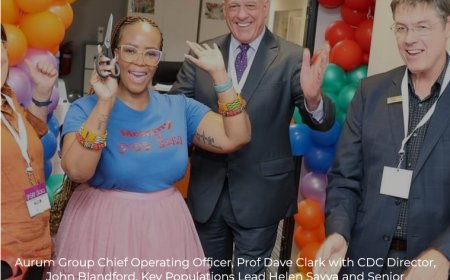
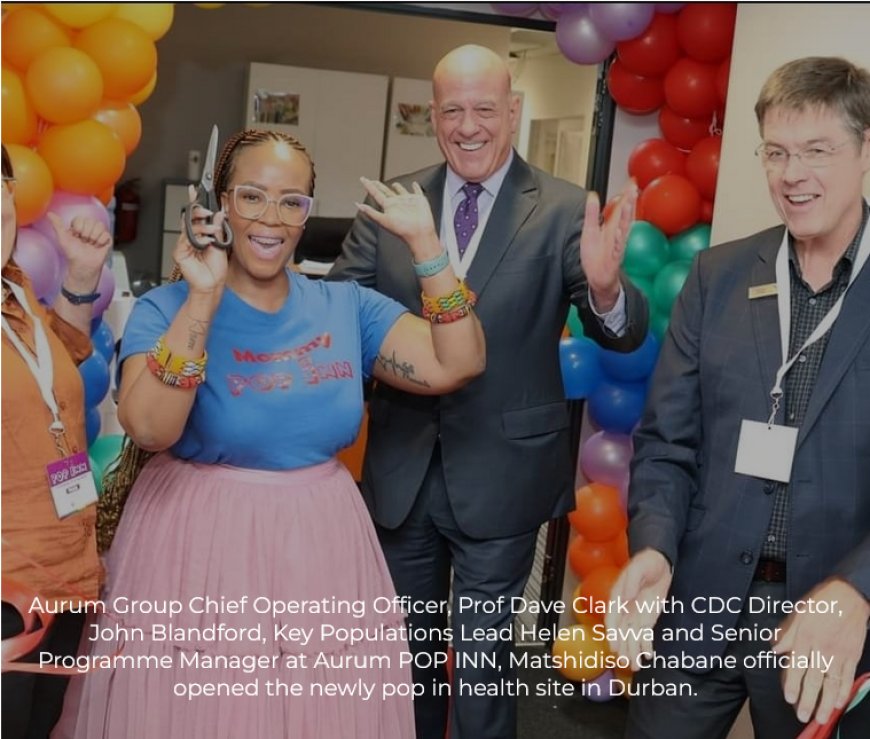
Thus, it is a great deal for the key populations now to know that they have a safe space to call home, following the launch of POP INN Clinic on Florida Road in Durban. The clinic is run by The Aurum Institute and externally funded by The Centre for Disease Control (CDC). The clinic serves key populations, populations that are at a higher risk of HIV infection, TB and STIs. It deals specifically with men who have intercourse with men and transgender women.
According to the clinic’s project coordinator, Bathabile Nzimande, the clinic renders comprehensive services to their clientele as well as tailored services. These services include gender affirming health care for transgender women, family planning, HIV testing services (HTS), same day ARV initiation, TB screening and same day TB treatment initiation, STI screening and treatment and psychosocial assistance with a social worker who does counselling for individuals and couples. All the services are offered in house and clients are not referred to local clinics.
Nzimande said the clinic’s model affirms gender and different kinds of genders, different sexual orientations, gender identity and gender expressions. “Under our gender affirming healthcare, we have hormonal replacement therapy for transgender women,” said Nzimande.
The clinic is currently serving 42 women that are on hormones and of these women, 10 were initiated in the month of May. The clinic has an on-site doctor and two nurses that follow up with clients. The clinic not only focuses on in house treatment but also does outreach based work.
“We are based in Morningside right now and a lot of the clientele that we serve are in the communities. The townships and informal sentiments is where there is the most need and that’s also who we serve,” said Nzimande.
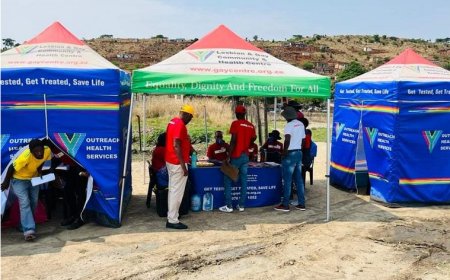
She highlighted that they have a mobile team that goes out into the community made up of lay counsellors and nurses. They go within the communities and provide all these services and for clients that can follow up at the clinic, they are welcome to do so.
Clients who test negative can also receive Pre-exposure prophylaxis (PrEP) at the clinic and follow up for it. Those clients who cannot come into the clinic are able to come to the client for deliveries and other monitoring services for PrEP and ARVs.
*Logan Mkhwanazi, a transgender woman who utilises the clinic says the best thing about the clinic is that all services are free. “Everything they offer is free from the condoms, lubes, and the clinic space exudes quality and takes us seriously, catering to our needs,” said Mkhwanazi.
She said other populations that don’t identify as gay, like sex workers can be assisted at the clinic, and referred to the correct channels.
According to Nzimande, the clinic sees close to 300 people monthly and they see more people with their outreach. “We are trying to cement our stakeholder engagement especially with higher institutions of learning and have been doing a lot of outreaches at DUT, UKZN and TVET colleges. We are planning on expanding on that because we realize that within higher institutions of learning, that’s where we will find our target populations because that’s where they are most comfortable to be themselves because they are in a place where they are surrounded by their peers and they are away from the stigma of the communities that they come from,” she said.
Although the clinic also serves adolescents from 16 and above, when it comes to hormonal therapy, the clinic works with consenting adults from 18 and above where an individual can sign for themselves. When a member of their key population comes into the clinic, they can expect to be greeted by someone who has gone through a similar journey to them because many of the clinic employees are key populations themselves or have gone through sensitization training to know how to serve the clinic’s population.
Nzimande concluded that the clinic has been well received in the community and there haven’t been any complaints. “For the most part people are welcoming and understanding of the work that we do and those that aren’t are more open after you educate them.”
*Not her real name
What's Your Reaction?